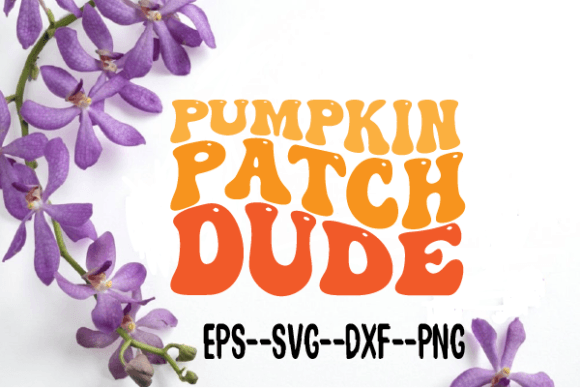
Pumpkin Patch Dude New Retro Wavy SVG
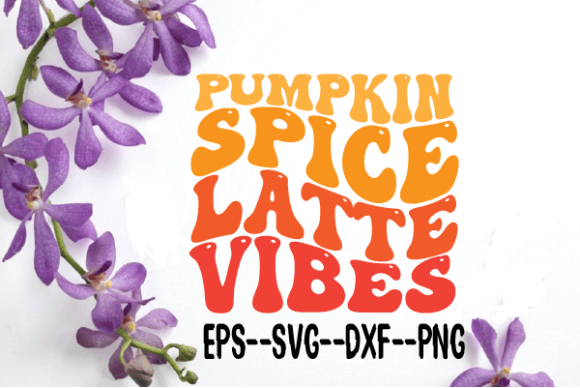
Let’s be real: I opened Pumpkin Patch Dude New Retro Wavy SVG expecting playful nostalgia—but what landed in my workspace was something sharper, more intentional. As a designer who’s stitched hundreds of holiday and seasonal motifs for Etsy sellers, boutique apparel lines, and custom gift shops, I don’t just scan files—I *feel* them. This one hums with mid-century rhythm: wavy baselines, rounded letterforms, and that cheeky pumpkin face leaning into the curve like it’s got a secret. It’s not “cute.” It’s confident, slightly irreverent, and built for personality—not just decoration.
I tested it on a natural canvas tote bag—unbleached, medium-weight, with visible weave—and stitched it as a single-color satin stitch outline with light fill accents (no dense fills). Right away, the wavy baseline did heavy lifting: it softened the rigidity of the tote’s square shape and guided the eye across the fabric instead of boxing it in. That’s rare. Most retro fonts go either full kitsch or sterile revival. Pumpkin Patch Dude New Retro Wavy SVG lands in the sweet spot where vintage feels wearable, not costume-y.
For sweatshirt embroidery? Yes—but with caveats. The curves hold up beautifully on fleece-backed cotton, especially when digitized with moderate stitch density and a light tear-away stabilizer. Where it stumbles is on ultra-thin baby onesies or stretchy rib-knit caps. The wavy line demands clean tension; on highly elastic fabric, even minor puckering exaggerates the wave into unintended distortion. I’d skip it for newborn hats unless paired with a precise cutaway stabilizer and reduced stitch count—something the current file doesn’t guarantee, since it’s delivered as a sublimation-ready DXF/EPS, not an optimized embroidery file.
That distinction matters. Pumpkin Patch Dude New Retro Wavy SVG is a graphics asset—not a native machine embroidery design. If you’re an embroidery designer or small shop owner stitching physical goods, treat this as raw material, not a plug-and-play file. You’ll need to digitize it thoughtfully: simplify interior details (that tiny stem? may vanish at 3” width), adjust kerning for legibility at small scales, and rework corners where sharp vector angles could translate to skipped stitches. For applique design work, its bold silhouette is ideal—just trace the outer shape, add seam allowance, and let the fabric do the talking.
I ran it through three real project scenarios:
- A personalized pillow cover for a fall-themed nursery: stitched in burnt orange thread on oat-colored linen. The wave echoed the gentle drape of the pillow, and customers commented on how “alive” the lettering felt—not stiff or printed. High perceived value, low thread cost.
- An Etsy listing for embroidered tea towels: used as a single-line running stitch motif (digitized from the SVG). Clean, modern, and wash-durable. Buyers loved the subtle movement—especially compared to static block-font alternatives.
- A boutique apron collection: scaled to 4.5” wide across the chest pocket. Worked best with black thread on cream twill—crisp contrast made the wave pop without overwhelming the garment’s utility aesthetic.
Where Pumpkin Patch Dude New Retro Wavy SVG shines is in context. It’s not a standalone logo. It’s a mood-setter. On dark fabric? Use metallic gold or cream thread—it lifts instantly. On textured surfaces like burlap or terry cloth? Stick to bold outlines only; avoid fine interior details. And never use it for tiny hoop work (<4”): those soft curves lose definition fast below 2.75”, especially in fill stitch.
As a craft business owner, I also weighed how it reads commercially. This isn’t generic clipart—it carries voice. That means it builds brand consistency *if* your shop leans into warm, handmade authenticity (think: small-batch kitchen goods, cozy nursery decor, or indie apparel with personality). It won’t suit minimalist luxury or corporate gifting—but for a fall farmers’ market stall or a Halloween-themed Etsy drop? It’s a quiet standout. Customers recognize intentionality: they see the wave, feel the rhythm, and trust the maker behind it.
Practical notes before you stitch:
- Always test Pumpkin Patch Dude New Retro Wavy SVG on scrap fabric first—especially if using textured, dark, or stretchy materials.
- Check thread color contrast in both natural and artificial light. Retro palettes can shift dramatically under LED vs. daylight.
- Review stitch density carefully. Sublimation files often lack underlay or pull compensation—add those manually if digitizing for dense fabrics.
- Confirm hoop size compatibility. Its natural width fits comfortably in a 5x7 hoop, but pushing beyond 6” risks thinning delicate curves.
- Inspect small details at actual stitch-out size—not just on screen. That grin? Might need slight thickening for clarity at 2.5”.
- Test black-and-white mockups. Does it retain character without color? With Pumpkin Patch Dude New Retro Wavy SVG, yes—its shape carries the story.
- Verify licensing before selling finished items or digital products. Since it’s labeled for sublimation, t-shirts, mugs, and pillows, commercial use appears permitted—but always double-check the seller’s terms.
This isn’t a “set it and forget it” design. It asks for thoughtful translation—from vector to stitch, from screen to surface, from concept to finished product. But that’s exactly why it works so well for makers who care about craft integrity. When stitched right, Pumpkin Patch Dude New Retro Wavy SVG doesn’t just say “fall.” It says, “I made this with attention—and you’ll feel it.”
For embroidery designers building a library of versatile, mood-driven assets: keep this one. For Etsy sellers curating seasonal collections: pair it with earthy thread palettes and natural fibers. For crafters making personalized gifts? It adds instant charm without sacrificing sophistication. Just remember—it’s a starting point, not the finish line. Respect the wave. Digitize with care. And let the pumpkin lean in.